

Green County Housing
Green County Wisconsin, offers a wide range of housing for every option. Transitional stays for residents and visitors needing temporary shelter, short-term and long term rentals, emergency housing and affordable home ownership.
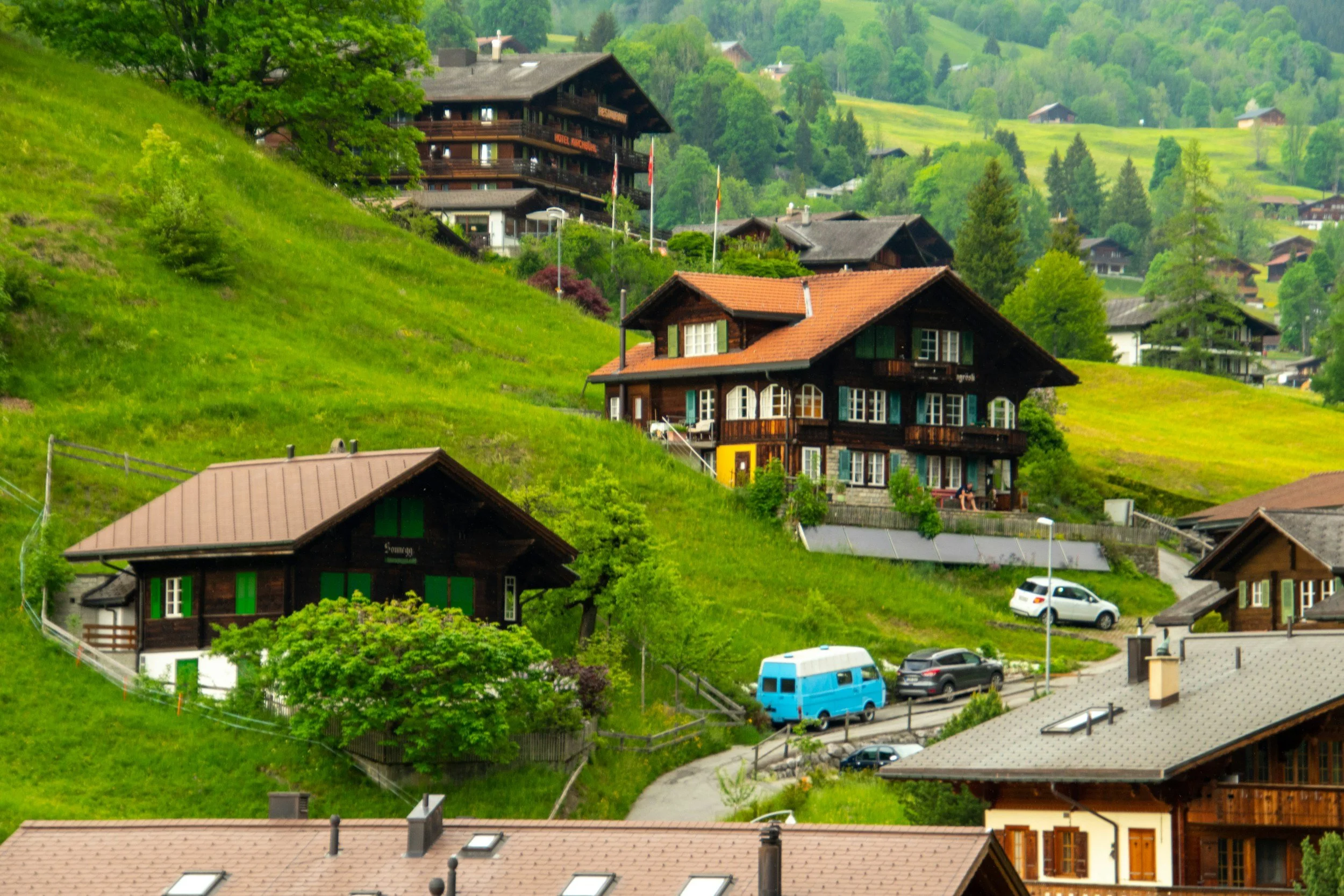
Temporary Housing
Green County Wisconsin, offers transitional stays for residents and visitors needing temporary shelter, short-term rentals, or emergency housing. Options include hotels and motels, extended-stay lodgings, shared housing, short-term apartment rentals, and nonprofit or government-supported emergency shelters and rapid-rehousing programs.
Who Needs This?
People between permanent homes, those relocating, workers on short assignments, people affected by emergencies, and individuals exiting homelessness.
Typical Options:
Hotels and motels: Daily or weekly stays; good for very short-term needs.
Extended-stay inns and weekly-rate rentals: Furnished units and kitchenettes for stays of weeks to months.
Short-term apartment or house rentals: Furnished or unfurnished units available through local landlords, property managers, and rental platforms for multi-week to multi-month stays.
Room or home shares: Private rooms in shared homes, often arranged locally and useful for lower-cost temporary housing.
Emergency shelters and transitional housing: Nonprofit and county programs providing short-term refuge and case management for people experiencing homelessness or housing crises.
Rapid rehousing and rental assistance: Programs that help cover rent or deposits and connect people to more stable housing.
How to Find Housing in Green County:
Contact local housing authorities, social service agencies, and nonprofits for referrals and emergency resources.
Check listings from local property managers and community bulletin boards for short-term rentals and shared housing.
Call area hotels or extended-stay properties directly for availability and weekly rates.
Make sure to clarify stay length, total cost (utilities, deposits, cleaning), and cancellation rules before committing. Ask if furnished, and about Wi‑Fi, laundry, and parking. Keep ID and proof of income/need ready. Contact shelters or assistance programs early if at risk of homelessness. Know tenant rights and report unsafe or fraudulent listings. For immediate housing crises, contact county social services or local nonprofits.
Emergency Shelters & Transitional Housing/Renters
Literacy Council of Green County
Monroe Public Library, 2nd Floor
925 16th Avenue
Monroe, WI 53566
(608) 293-3161
Chalet Landhaus Inn (New Glarus)
801 Hwy 69
PO Box 878
New Glarus, WI 53574
(608) 527-5234
Sugar River Loft (Brodhead)
929 W Exchange St Brodhead, WI, United States, Wisconsin 53520
(608) 214-6851
Green County Tourism
Green County Courthouse
1016 16th Ave.
Monroe, Wisconsin 53566
608-328-1838
Cameo Rose Victorian Country Inn (Belleville)
1090 Severson Rd, Belleville, WI 53508-9728
(608) 424-6340
Rose Hill - A Country Inn (New Glarus)
8520 Zentner Rd, New Glarus, WI 53574
608-527-5320
Extended Stay
Green County Courthouse
1016 16th Ave.
Monroe, Wisconsin 53566
608-328-1838
Vacation Home Rentals
Green County Courthouse
1016 16th Ave.
Monroe, Wisconsin 53566
608-328-1838
Renters
Are you looking to live in a small area in Wisconsin? Well, Green County is for you with its wide range of small towns and villages. When looking for rentals at Green county you will take note of its historic background, farmlands, schools, communities, events, restaurants, and even its rural charm that brings large groups in.
What Green County offers
Small towns and villages: Places like Monroe, Monticello, New Glarus, and Albany provide village centers with local shops, restaurants, community events, and a slower pace of life.
Rural properties: Expect country rentals on larger lots or farms—good for privacy, outdoor space, and pets, but typically farther from services.
Historic character: Many towns feature older homes with distinct architecture; some rentals retain period details and come with varying maintenance needs.
Outdoor recreation: Parks, trails, fishing, and seasonal activities are abundant for people who enjoy nature and outdoor hobbies.
Community events and local culture: Farmers markets, fairs, festivals, and small-town civic life are common.
Typical rental types
Single-family homes: Common in towns and rural areas; good for families and people seeking more space.
Apartments and duplexes: Found mainly in Monroe and a few larger communities; options range from modest to renovated units.
Accessory units and small rentals: Basement apartments, carriage houses, or units above businesses may be available in some towns.
Practical considerations
Availability: Rental inventory is more limited than in urban areas; start your search early and be prepared for fewer listings.
Commute and transportation: Many residents rely on personal vehicles; check commute times to work, schools, and essential services. Public transit options are limited.
Utilities and services: Some rural rentals may have well water and septic systems; ask who is responsible for utilities, snow removal, and yard upkeep.
Internet and cell service: Coverage varies—confirm broadband availability and cell reception at the exact address if remote work or streaming matters.
Pet policies: Rural landlords may be more flexible, but always verify breed/size rules and pet deposits.
Lease terms and local regulations: Standard leases are common, but some owners prefer month-to-month or seasonal agreements. Familiarize yourself with Wisconsin tenant rights and local ordinances.
Costs and budgeting
Rent tends to be lower than in metropolitan areas but varies by town, property size, and condition.
Factor in utilities, heating (often natural gas or propane), lawn care, snow removal, and any HOA or community fees.
Security deposits and references are commonly required; landlords may request proof of income or employment.
How to find rentals
Local property managers and real estate agents: Useful for finding available units and navigating leases.
Community bulletin boards and local newspapers: Still effective in small towns.
Word of mouth: Many rentals are filled through local networks—ask neighbors, employers, or community organizations.
Safety and inspections
Ask about smoke/CO detectors, heating system condition, insulation, and recent pest control or repairs.
For older homes, inquire about lead paint disclosure and any necessary safety upgrades.
Moving tips
Visit in person if possible to check cell/internet, parking, and neighborhood noise.
Ask for an inventory or condition checklist at move-in to document any existing damage.
Plan for winter: confirm snow removal, heating reliability, and window/door insulation.
Contact local resources
City or town clerks, county offices, and community organizations can help with local information, tenant resources, and referrals to services.
Choosing a rental in Green County means weighing rural and small-town benefits—space, community, affordability—against practical needs like transportation, utilities, and availability. Start your search early, visit properties when possible, and confirm service availability for a smooth rental experience.
Rental Housing
UW Madison
3500 University Avenue Madison, WI, United States, Wisconsin 53705
414-615-0534
Renters/Senior Housing
Churchill Woods Apartments - Monroe Housing Authority
1505 9th Street
Monroe, WI 53566
608-325-7648
Monroe Health Services (used to be Monroe Manor)
North Shore Health, 640 North Vel R Phillips Ave, Suite 200
Milwaukee, WI 53203
414-962-5250
Homebuyers
Thinking about buying a home in Green County, Wisconsin? This largely rural county, anchored by the City of Monroe, offers a mix of small-town charm, agricultural landscapes, and easy access to regional amenities. Here’s what homebuyers should know:
Location and community
Small towns and rural neighborhoods dominate; expect quiet streets, close-knit communities, and lower population density than urban areas.
Monroe serves as the county seat and primary commercial center, with grocery stores, health care services, restaurants, and community events.
Nearby larger cities (Janesville, Madison, and Beloit) are within reasonable driving distance for broader employment, shopping, and cultural options.
Housing stock and styles
Homes range from historic midwestern houses and farmhouses to modest ranch, cape cod, and newer suburban-style builds.
Many properties include larger lots, outbuildings, or farmland—appealing to buyers seeking space, hobby farming, or workshops.
Inventory can be limited compared with metro areas; unique or well-priced homes may move quickly.
Price and affordability
Overall cost of living and median home prices are typically lower than state averages for metropolitan regions, offering greater purchasing power for first-time buyers or those relocating from cities.
Property taxes reflect local levies and school district rates; prospective buyers should factor taxes and potential agricultural classification into long-term costs.
Employment and commute
Local economy includes agriculture, manufacturing, small businesses, health care, and education.
Commuting to jobs in Madison or other regional centers is common; factor in drive times and winter road conditions when choosing a location.
Schools and services
Public school districts serve the county with elementary through high school options; school quality varies by district—research specific district ratings and programs.
Health care services are available locally with additional specialty care accessible in nearby cities.
Outdoor and community amenities
Parks, county trails, and agricultural fairs reflect outdoor, community-centered lifestyles.
Proximity to lakes, rivers, and green spaces supports fishing, hunting, snowmobiling, and other seasonal recreation.
Local cultural events, farmers’ markets, and cheese-making heritage contribute to a distinctive regional identity.
Things to consider before buying
Property condition and age: older homes may require updates (insulation, electrical, septic systems).
Well and septic systems: many rural properties use private wells and septic tanks—inspection and maintenance are essential.
Floodplain and land use: check zoning, conservation easements, and floodplain maps if property borders streams or low-lying areas.
Utility availability: confirm broadband access, natural gas availability, and winter road maintenance.
Insurance: obtain estimates for homeowners insurance and, if applicable, flood insurance.
Tips for buyers
Work with a local real estate agent familiar with Green County communities and rural property issues.
Get a thorough home, well, and septic inspection before closing.
Investigate tax assessments, agricultural classifications, and potential easement or covenants.
Visit neighborhoods at different times of day and in different seasons to assess traffic, noise, and winter conditions.
Green County can be an attractive option for homebuyers seeking affordability, open space, and a quieter pace of life, while still being within reach of regional job centers and services. Plan inspections, research local services, and partner with experienced local professionals to make a confident purchase.
Homebuing
UW Center for Cooperatives - (renter)
Taylor Hall, 427 Lorch Street,
Madison, WI 53706
(608) 890-1048
WI Home Energy Assistance Program (WHEAP) - (renters)
749 10th Avenue Court
Monroe, WI 53566
608-328-1111
Southwestern Wisconsin Community Action Program-Supporting Housing Community Resources
201 South Iowa Street
Dodgeville, WI 53533
608-935-2326